I'm just one person, just two hands, just one heart. I have everything to offer.


This blog brings together resources and stories for other young caregivers and families dealing with the effects of Alzheimer's and the many OTHER forms of dementia including Dementia with Lewy Bodies, Creutzfeldt-Jakob Disease, Frontal Lobe Dementia, Huntington’s Disease , Parkinson’s Disease, Mild Cognitive Impairment, Wernicke-Korsakoff Syndrome, Mixed Dementia, Normal Pressure Hydrocephalus, Pick’s Disease and Vascular Dementia.


Showing posts with label Parkinson's. Show all posts

Monday, February 4, 2013

Giving Alzheimer’s Patients Their Way, Even Chocolate

Todd Heisler/The New York Times

PHOENIX — Margaret Nance was, to put it mildly, a difficult case. Agitated, combative, often reluctant to eat, she would hit staff members and fellow residents at nursing homes, several of which kicked her out. But when Beatitudes nursing home agreed to an urgent plea to accept her, all that changed.

Disregarding typical nursing-home rules, Beatitudes allowed Ms. Nance, 96 and afflicted with Alzheimer’s, to sleep, be bathed and dine whenever she wanted, even at 2 a.m. She could eat anything, too, no matter how unhealthy, including unlimited chocolate. 

And she was given a baby doll, a move that seemed so jarring that a supervisor initially objected until she saw how calm Ms. Nance became when she rocked, caressed and fed her “baby,” often agreeing to eat herself after the doll “ate” several spoonfuls. 

Dementia patients at Beatitudes are allowed practically anything that brings comfort, even an alcoholic “nip at night,” said Tena Alonzo, director of research. “Whatever your vice is, we’re your folks,” she said. 

Once, Ms. Alonzo said: “The state tried to cite us for having chocolate on the nursing chart. They were like, ‘It’s not a medication.’ Yes, it is. It’s better than Xanax.”
It is an unusual posture for a nursing home, but Beatitudes is actually following some of the latest science. Research suggests that creating positive emotional experiences for Alzheimer’s patients diminishes distress and behavior problems. 

In fact, science is weighing in on many aspects of taking care of dementia patients, applying evidence-based research to what used to be considered subjective and ad hoc. 

With virtually no effective medical treatment for Alzheimer’s yet, most dementia therapy is the caregiving performed by families and nursing homes. Some 11 million people care for Alzheimer’s-afflicted relatives at home. In nursing homes, two-thirds of residents have some dementia.
Caregiving is considered so crucial that several federal and state agencies, including the Department of Veterans Affairs, are adopting research-tested programs to support and train caregivers. This month, the Senate Special Committee on Aging held a forum about Alzheimer’s caregiving. 

“There’s actually better evidence and more significant results in caregiver interventions than there is in anything to treat this disease so far,” said Lisa P. Gwyther, education director for the Bryan Alzheimer’s Disease Research Center at Duke University. 

The National Institute on Aging and the Administration on Aging are now financing caregiving studies on “things that just kind of make the life of an Alzheimer’s patient and his or her caregiver less burdensome,” said Sidney M. Stahl, chief of the Individual Behavioral Processes branch of the Institute on Aging. “At least initially, these seem to be good nonpharmacological techniques.”
Techniques include using food, scheduling, art, music and exercise to generate positive emotions; engaging patients in activities that salvage fragments of their skills; and helping caregivers be more accepting and competent. 

Changing the Mood
Some efforts involve stopping anti-anxiety or antipsychotic drugs, used to quell hallucinations or aggression, but potentially harmful to dementia patients, who can be especially sensitive to side effects. Instead, some experts recommend primarily giving drugs for pain or depression, addressing what might be making patients unhappy. 

Others recommend making cosmetic changes to rooms and buildings to affect behavior or mood.
A study in The Journal of the American Medical Association found that brightening lights in dementia facilities decreased depression, cognitive deterioration and loss of functional abilities. Increased light bolsters circadian rhythms and helps patients see better so they can be more active, said Elizabeth C. Brawley, a dementia care design expert not involved in the study, adding, “If I could change one thing in these places it would be the lighting.” 

Several German nursing homes have fake bus stops outside to keep patients from wandering; they wait for nonexistent buses until they forget where they wanted to go, or agree to come inside.
And Beatitudes installed a rectangle of black carpet in front of the dementia unit’s fourth-floor elevators because residents appear to interpret it as a cliff or hole, no longer darting into elevators and wandering away. 

“They’ll walk right along the edge but don’t want to step in the black,” said Ms. Alonzo, who finds it less unsettling than methods some facilities use, bracelets that trigger alarms when residents exit. “People with dementia have visual-spatial problems. We’ve actually had some people so wary of it that when we have to get them on the elevator to take them somewhere, we put down a white towel or something to cover it up.” 

When elevator doors open, Beatitudes staff members stand casually in front, distracting residents with “over-the-top” hellos, she said: “We look like Cheshire cats,” but “who’s going to want to get on the elevator when here’s this lovely smiling person greeting you? It gets through to the emotional brain.” 

Six minutes later, participants had trouble recalling the clips. But 30 minutes later, emotion evaluations showed they still felt sad or happy, often more than participants with normal memories. The more memory-impaired patients retained stronger emotions. 

Justin Feinstein, the lead author, an advanced neuropsychology doctoral student, said the results, being studied with Alzheimer’s patients at Iowa and Harvard, suggest behavioral problems could stem from sadness or anxiety that patients cannot explain. 

“Because you don’t have a memory, there’s this general free-floating state of distress and you can’t really figure out why,” Mr. Feinstein said. Similarly, happy emotions, even from socializing with patients, “could linger well beyond the memories that actually caused them.” 

One program for dementia patients cared for by relatives at home creates specific activities related to something they once enjoyed: arranging flowers, filling photo albums, snapping beans. 

“A gentleman who loved fishing could still set up a tackle box, so we gave him a plastic tackle box” to set up every day, said the program’s developer, Laura N. Gitlin, a sociologist at Thomas Jefferson University in Philadelphia and newly appointed director of a new center on aging at Johns Hopkins University. 

After four months, patients seemed happier and more active, and showed fewer behavior problems, especially repetitive questioning and shadowing, following caregivers around. And that gave caregivers breaks, important because studies suggest that “what’s good for the caregiver is good for the patient,” Professor Gwyther said. 

Aiding the Caregiver
In fact, reducing caregiver stress is considered significant enough in dementia care that federal and state health agencies are adopting programs giving caregivers education and emotional support.
One, led by Mary S. Mittelman, a New York University dementia expert, found that when people who cared for demented spouses were given six counseling sessions as well as counselors whom they could call in a crisis, it helped them handle caregiving better and delayed by 18 months placing patients in nursing homes. 

“The patient did not have fewer symptoms,” Dr. Mittelman said. “It was the caregiver’s reaction that changed.” 

The Veterans Affairs Department is adopting another program, Resources for Enhancing Alzheimer’s Caregiver Health, providing 12 counseling sessions and 5 telephone support group sessions. Studies showed that these measures reduced hospital visits and helped family caregivers manage dementia behaviors. 

“Investing in caregiver services and support is very worthwhile,” saving money and letting patients remain home, said Deborah Amdur, chief consultant for care management and social work at the Veterans Affairs Department. 

Beatitudes, which takes about 30 moderate to severe dementia sufferers, introduced its program 12 years ago, focusing on individualized care. 

“In the old days,” Ms. Alonzo said, “we would find out more about somebody from their obituary than we did when they were alive.” 

The dementia floor was named Vermillion Cliffs, after colorfully layered rock formations formed by centuries of erosion, implying that, “although weathered, although tested by dementia, people are beautiful” and “have certain strengths,” said Peggy Mullan, the president of Beatitudes.
The facility itself is institutional-looking, dowdy and “extremely outdated,” Ms. Mullan said.
“It’s ugly,” said Jan Dougherty, director of family and community services at Banner Alzheimer’s Institute in Phoenix. But “they’re probably doing some of the best work” and “virtually have no sundowning,” she said, referring to agitated, delusional behavior common with Alzheimer’s, especially during afternoon and evening. 

Beatitudes eliminated anything potentially considered restraining, from deep-seated wheelchairs that hinder standing up to bedrails (some beds are lowered and protected by mats). It drastically reduced antipsychotics and medications considered primarily for “staff convenience,” focusing on relieving pain, Ms. Alonzo said. 

It encouraged keeping residents out of diapers if possible, taking them to the toilet to preserve feelings of independence. Some staff members resisted, Ms. Alonzo said, but now “like it because it saves time” and difficult diaper changes. 

Family members like Nancy Mendelsohn, whose mother, Rose Taran, was kicked out of facilities for screaming and calling 911, appreciate it. “The last place just put her in diapers, and she was not incontinent at all,” Ms. Mendelsohn said. 

Ms. Alonzo declined to pay workers more to adopt the additional skills or night work, saying, “We want people to work here because it’s your bag.” 

Finding Favorite Things
For behavior management, Beatitudes plumbs residents’ biographies, soothing one woman, Ruth Ann Clapper, by dabbing on White Shoulders perfume, which her biographical survey indicated she had worn before becoming ill. Food became available constantly, a canny move, Ms. Dougherty said, because people with dementia might be “too distracted” to eat during group mealtimes, and later “be acting out when what they actually need is food.” 

Realizing that nutritious, low-salt, low-fat, doctor-recommended foods might actually discourage people from eating, Ms. Alonzo began carrying chocolate in her pocket. “For God’s sake,” Ms. Mullan said, “if you like bacon, you can have bacon here.” 

Comforting food improves behavior and mood because it “sends messages they can still understand: ‘it feels good, therefore I must be in a place where I’m loved,’ ” Ms. Dougherty said.
Now, when Maribeth Gallagher, dementia program director for Hospice of the Valley, which collaborates in running Beatitudes's program, learns someone’s favorite foods, “I’m going to pop that on your tongue, and you’re going to go ‘yum,’ ” she said. “Isn’t that better than an injection?”
Beatitudes also changed activity programming. Instead of group events like bingo, in which few residents could actually participate, staff members, including housekeepers, conduct one-on-one activities: block-building, coloring, simply conversing. State regulators initially objected, saying, “Where’s your big group, and what you’re doing isn’t right and doesn’t follow regulations,” Ms. Alonzo said. 

Ms. Mullan said, “I don’t think we ever got cited, but it was a huge fight to make sure we didn’t.”
These days, hundreds of Arizona physicians, medical students, and staff members at other nursing homes have received Beatitudes’ training, and several Illinois nursing homes are adopting it. The program, which received an award from an industry association, the American Association of Homes and Services for the Aging, also appears to save money. 

Arlene Washington’s family moved her to Beatitudes recently, pulling her from another nursing home because of what they considered inattentive and “improper care,” said her husband, William. Mrs. Washington, 86, was heavily medicated, tube fed and unable to communicate, “like she had no life in her,” said Sharon Hibbert, a friend. 

At Beatitudes, Dr. Gillian Hamilton, administrative medical director, said she found Mrs. Washington “very sedated,” took her off antipsychotics, then gradually stopped using the feeding tube. Now Mrs. Washington eats so well she no longer needs the insulin she was receiving. During a recent visit, she was alert, even singing a hymn. 

That afternoon, Ms. Nance, in her wheelchair, happily held her baby doll, which she named Benjamin, and commented about raising her sons decades ago. 

Ms. Alonzo had at first considered the doll an “undignified” and demeaning security blanket. But Ms. Gallagher explained that “for a lot of people who are parents, what gives them joy is caring for children.” 

“I was able,” Ms. Gallagher said, “to find Margaret’s strength.” 

Ms. Gallagher said she learned when approaching Ms. Nance to “look at her baby doll, and once I connect with the doll, I can look at her.” 

She squatted down, complimented Benjamin’s shoes, and said, “You’re the best mom I know.”
Ms. Nance nodded earnestly. 

“It’s good to know,” Ms. Nance said, “that somebody knows that you care.”


Wednesday, September 7, 2011

When Lapses Are Not Just Signs of Aging


Who hasn’t struggled occasionally to come up with a desired word or the name of someone near and dear? I was still in my 40s when one day the first name of my stepmother of 30-odd years suddenly escaped me. I had to introduce her to a friend as “Mrs. Brody.”

But for millions of Americans with a neurological condition called mild cognitive impairment, lapses in word-finding and name recall are often common, along with other challenges like remembering appointments, difficulty paying bills or losing one’s train of thought in the middle of a conversation.

Though not as severe as full-blown Alzheimer’s disease or other forms of dementia, mild cognitive impairment is often a portent of these mind-robbing disorders. Dr. Barry Reisberg, professor of psychiatry at New York University School of Medicine, who in 1982 described the seven stages of Alzheimer’s disease, calls the milder disorder Stage 3, a condition of subtle deficits in cognitive function that nonetheless allow most people to live independently and participate in normal activities.

One of Dr. Reisberg’s patients is a typical example. In the two and a half years since her diagnosis of mild cognitive impairment at age 78, the woman learned to use the subway, piloted an airplane for the first time (with an instructor) and continued to enjoy vacations and family visits. But she also paid some of the same bills twice and spends hours shuffling papers.

Dr. Ronald C. Petersen, a neurologist at the Mayo Clinic College of Medicine in Rochester, Minn., described mild cognitive impairment as “an intermediate state of cognitive function,” somewhere between the changes seen normally as people age and the severe deficits associated with dementia.

While most people experience a gradual cognitive decline as they get older (only about one in 100 lives long without cognitive loss), others experience more extreme changes in cognitive function, the neurologist wrote in The New England Journal of Medicine in June. In population-based studies, mild cognitive impairment has been found in 10 percent to 20 percent of people older than 65, he noted.

Dr. Petersen described two “subtypes” of the condition, amnestic and nonamnestic, that have different trajectories. The more common amnestic type is associated with significant memory problems, and within 5 to 10 years usually — but not always — progresses to full-blown Alzheimer’s disease, he said in an interview.
“Subtle forgetfulness, such as misplacing objects and having difficulty recalling words, can plague persons as they age and probably represents normal aging,” he wrote. “The memory loss that occurs in persons with amnestic mild cognitive impairment is more prominent. Typically, they start to forget important information that they previously would have remembered easily, such as appointments, telephone conversations or recent events that would normally interest them,” like the outcome of a ballgame would a sports fan.
The forgetfulness is often obvious to those who are affected and to people close to them, but not to casual observers.

The less common nonamnestic type, which is associated with difficulty making decisions, finding the right words, multitasking, visual-spatial tasks and navigating, can be a forerunner of other kinds of dementia, Dr. Petersen said.

In general, Dr. Reisberg said, “mild cognitive impairment lasts about seven years before it begins to interfere with the activities of daily life.”

The Correct Diagnosis

Distinguishing mild cognitive impairment from the effects of normal aging can be challenging. Typically, new patients take a short test of mental status, provide a thorough medical history and are checked for conditions that may be reversible causes of impaired cognition. Problems like depression, medication side effects, vitamin B12 deficiency or an underactive thyroid can mimic the symptoms of mild cognitive impairment.
Other tests, like an M.R.I. or CT scan of the brain, can look for evidence of a stroke, brain tumor or leaky blood vessel that may be impairing brain function.
It is natural, Dr. Petersen said, for patients and their families to want to know whether and how quickly the disorder might progress. While patients decline by about 10 percent each year, on average, certain factors are associated with more rapid progression. Among these are the presence of a gene called APOE e4, more common among patients with Alzheimer’s disease; a reduced hippocampus, a region of the brain important to memory; and a low metabolic rate in the temporal and parietal regions of the brain.
Amyloid plaques in the brain, while a hallmark of Alzheimer’s disease and a predictor of progression, have also been found at autopsy in people with perfectly normal cognitive function.

Preserving Cognitive Function

Despite a number of clinical trials that tested various medications, no drug to treat mild cognitive impairment has been approved by the Food and Drug Administration. But experts like Dr. Reisberg and Dr. Petersen suggest several approaches that may slow the decline in cognitive function.
Although studies did not show that medications like donepezil (brand name Aricept) and memantine (Namenda), both used to treat Alzheimer’s disease, change the ultimate course of mild cognitive impairment, Dr. Reisberg said they can be useful temporary treatments that may stabilize patients for a few years.
Although the drugs are not approved for this condition, licensed physicians can prescribe approved medications “off label.” “Clinicians have to work with what we have,” Dr. Reisberg said.
There are people who think they are having memory problems, but tests do not show anything definitive. Some may be in Stage 1 of Alzheimer’s disease, Dr. Reisberg said, and perhaps could benefit from early treatment with the drugs.

It is also important to reduce cardiovascular risk factors like smoking, elevated cholesterol and high blood pressure; keep blood sugar at normal levels; minimize stress (which in animal studies can cause the hippocampus to shrink); and avoid anticholinergic drugs that can interfere with brain chemicals important to memory. These include Demerol to treat pain, Detrol to treat a leaky bladder, tricyclic antidepressants, Valium, and over-the-counter medications with Benadryl (diphenhydramine), like Tylenol PM, Dr. Petersen said.

Some cognitive rehabilitation exercises, like computer games that enhance focus, may be helpful, Dr. Petersen said, but there have been few good studies to demonstrate a benefit. Compensatory techniques, like taking notes, creating mnemonics and making structured schedules, can be useful aids, he added.
But most promising is regular physical exercise, which in animal studies was found to reduce the accumulation of amyloid in the brain. An Australian study in patients with memory problems showed that brisk walking for 150 minutes a week improved cognitive function.
By
New York Times

Friday, August 5, 2011

YAAA! Young Advocates for the Alzheimer's Association Meeting & Social

PLEASE NOTE THE NEW LOCATION! Our next meeting is August 9th from 6-8pm in Phoenix. Please see below for more details and we will see you there! ~ Suzette

Applebees Neighborhood Grill & Bar
2547 N 44th St (just South of Thomas Rd)
Phoenix, AZ

YAAA!, Young Advocates for the Alzheimer's Association, will be having Monthly meetings every 2nd Tuesday of the month from 6:00-7:00 pm followed by a supportive social from 7:00 - 8:00 pm. Young adults 18-39 are welcome to attend! We will be reviewing current federal and state priorities of the Alzheimer's Association as well as any advocacy done by our YAAA! members for the previous month.

After the meeting we invite everyone to stay for our supportive social from 7:00 to 8:00pm to further bond with members, prospective members or just enjoy drink and food specials for happy hour! Please calendar this for future reference and let me know when you can make it. I am looking forward to seeing everyone!

YAAA! Facebook page: www.facebook.com/DSWYAAA

Friday, July 9, 2010

How key circuits in the brain control movement


A new study that has identified how key circuits in the brain control movement could treat movement related disorders, such as Parkinson’s disease. Scientists Anatol Kreitzer, PhD and Karl Deisseroth, MD PhD at the Gladstone Institute of Neurological Disease (GIND) and Stanford University used genetic methods to allow mice to produce a light-sensitive protein in very select group of cells in the brain.

Researchers found that the mouse with the fibre optics implanted in the brain moved normally with the laser turned off and froze when the laser was turned on. With the laser off, and the mouse’s movement was restored. “It’s not something we can do for just a second,” Kreitzer said. “We can do this for as long as the laser is on.” “We generated mice that lacked dopamine, and these mice showed many of the same symptoms found in humans with Parkinson’s disease. But when we activated the ‘go’ pathway in these mice, they began to move around normally again. We restored all of their motor deficits with this treatment, even though the mice still lacked dopamine,” he added.

The research could be important for treating Parkinson’s and also other disorders involving these circuits, such as Huntington’s disease, Tourette’s syndrome, obsessive-compulsive disorder, and addiction.

By http://www.thehindu.com/

The research is published in the journal Nature.

Monday, April 19, 2010

Should Mom Still Be Driving?

By Heather Frenette, RN, MSN, CMC

Whether or not an elderly person should be driving is a question I am frequently asked. It is a very touchy subject and most children do not want to force the issue with their parents. Getting a drivers license is a rite of passage that most teenagers look forward to. Having to give up that license can be very difficult. It affects a person’s independence. When a person has to surrender their driver’s license, they suddenly are dependent on others to get around. Going to the grocery store, going to the doctor and even going out with friends can become difficult without transportation.


There are several warning signs to look if you are concerned about a loved one’s safety behind the wheel. If you notice any of the following 17 warning signs, it is time to evaluate whether your loved one should continue driving.

1. signaling incorrectly

2. trouble making turns

3. changing lanes improperly

4. confusion at highway exits

5. difficulty parking

6. stopping inappropriately in traffic

7. confusing the brake and gas pedals

8. driving too fast or slow

9. hitting curbs

10. failing to notice stop signs or traffic lights

11. reacting slowly to traffic situations

12. failing to anticipate potential dangers

13. getting lost in familiar places

14. scrapes or dents on car, house, garage, etc.

15. traffic violations

16. near-misses

17. accidents

There are several options for driving evaluation. One option is to have an evaluation through a driving evaluation center. Although there are companies that offer these services, many of these programs are offered through larger rehabilitation centers as well. Another option is to have a physician write a letter to the Department of Motor Vehicles (DMV) expressing their concern about their patient’s driving ability. Once the DMV receives this letter, they will send out a letter to your loved one either revoking their license or requesting them to come in for a written test and/or an on the road driving test. Successful completion of the testing is necessary for the license to remain valid.

It can be hard for family members to address the topic of driving safety with their loved one. Involving the primary care physician in this process can be helpful because it takes the role away from the family. Another option is to consult with a Geriatric Care Manager. Care Managers are typically well versed in the resources to evaluate driving and can facilitate not only the testing, but also put a plan in place to address the need for transportation once the person stops driving. Again, involving an independent third party takes the pressure off the family and takes some of the emotion out of the situation.

Addressing driving concerns with your loved one can be stressful and very difficult. It is an emotional topic with significant consequences. Having a plan to both evaluate your loved one’s driving and to accommodate their transportation needs if they stop driving will help make this difficult task somewhat easier.

Monday, January 25, 2010

Discovery Of Compounds That Help Protect Nerve Cells

Scientists at Duke University Medical Center have found some compounds that improve a cell's ability to properly "fold" proteins and could lead to promising drugs for degenerative nerve diseases, including Huntington's disease, Alzheimer's disease and Parkinson's disease.

Misfolded proteins in nerve cells (neurons) are a common factor in all of these diseases. The Duke team has identified many new chemicals that activate a master regulator to increase the supply of "protein chaperone" molecules that help fold proteins properly.

The scientists further explored one of the candidate molecules to activate the master regulator of chaperone gene expression, Heat Shock Factor 1 (HSF1), to learn whether it would work in model systems of Huntington's disease, a devastating neurodegenerative disease of protein misfolding.

They were able to show that the molecule stimulated protein chaperones in cells and in an animal system. The damage to early-state rat neurons was much lower in cells pre-treated with the HSF1 activator, and damage to the neurons of fruit flies that had a Huntington's-like disorder was also greatly reduced.

Previous studies suggested that elevating the abundance of protein chaperones is effective in treating cell and animal models of Huntington's and Parkinson's diseases. This work provides a new approach to address the root cause of these diseases -- protein misfolding. Earlier attempts had used heat shock and other approaches that stress a nerve cell in order to produce more chaperone molecules, but at a cost of damaging the cell to save it.

"The advantage of our screen is that it identifies molecules that can elevate the levels of chaperones without inducing cellular stress and that don't inhibit a key protein chaperone called Hsp90 that is needed for cells to function normally," said senior author Dennis J. Thiele, Ph.D., Professor of Pharmacology and Cancer Biology. "We found a creative way to identify new molecules that can activate the body's natural protein folding machinery."

The research was published in the Jan. 19 online issue of PLoS Biology.

Lead author Daniel Neef, Ph.D., says they used genetically altered yeast to find compounds that might aid chaperone development. The scientists took yeast with a deleted HSF1 (master regulator) gene and inserted the related human HSF1 gene. These yeast, however, still weren't able to activate human HSF1 on their own, and in effect, died. They needed an additional molecule to make human HSF1 become active

The team put these "humanized yeasts" into wells and started testing compounds that would provide the missing link. In several of the wells, if the compound worked, the yeast started multiplying. "Out of over 12,000 compounds tested from chemical libraries, about 50 compounds worked," Neef said. The team decided to explore one of these compounds (HSF1A) in further experiments.

"The humanized yeast-based screening results in our study provide a way to identify new classes of small molecules, small enough to penetrate the blood-brain barrier to work in neurons, in flies as well as in humans," Thiele said. "These small molecules may be effective therapies in neurodegenerative diseases caused by protein conformational disorders such as Huntington's, Alzheimer's and Parkinson's disease."
The scientists found that HSF1A could stimulate more protein chaperones and reduce the protein misfolding. They showed that adding a small amount of HSF1A to the developing rat neurons kept the proteins dissolved throughout the cell, rather than clumping visibly as speckled areas (as seen under microscopes).
"We enhanced the cells' viability by four or five times by pre-treating them with this molecule," Neef said. "Otherwise, the cells would have died."

They used fruit flies with Huntington's disease for experiments to prove that the principle would work in an animal. Adding HSF1A to the fly's food produced more chaperone molecules in their neurons. This suggests that the molecule could travel from the fly's stomach into its circulation and cross a barrier to the fly brain.
In the key experiment, the Huntington's disease flies received either their usual food or food plus HSF1A. Those with untreated food developed eyes with dying photoreceptor neurons and lacking the normal red color. Those that ate HSF1A went on to have normal-colored eyes, indicating a repair had taken place, just by eating food laced with the promising compound.

Michelle Turski, now with Stanford University, was a co-author of the study. The work was supported by grants from the National Institutes of Health.

Source: Mary Jane Gore
Duke University Medical Center

Missed and Delayed Diagnosis of Dementia in Primary Care: Prevalence and Contributing Factors

Dementia is a growing public health problem for which early detection may be beneficial. Currently, the diagnosis of dementia in primary care is dependent mostly on clinical suspicion on the basis of patient symptoms or caregivers' concerns and is prone to be missed or delayed. We conducted a systematic review of the literature to ascertain the prevalence and contributing factors for missed and delayed dementia diagnoses in primary care. Prevalence of missed and delayed diagnosis was estimated by abstracting quantitative data from studies of diagnostic sensitivity among primary care providers. Possible predictors and contributory factors were determined from the text of quantitative and qualitative studies of patient, caregiver, provider, and system-related barriers. Overall estimates of diagnostic sensitivity varied among studies and seemed to be in part a function of dementia severity, degree of patient impairment, dementia subtype, and frequency of patient-provider contact. Major contributory factors included problems with attitudes and patient-provider communication, educational deficits, and system resource constraints. The true prevalence of missed and delayed diagnoses of dementia is unknown but seems to be high. Until the case for dementia screening becomes more compelling, efforts to promote timely detection should focus on removing barriers to diagnosis.

By Bradford, Andrea MA; Kunik, Mark E. MD; Schulz, Paul MD; Williams, Susan P. MD; Singh, Hardeep MD, MPH

Should Dad Still Be Driving?

Most people remember learning to drive and the feeling of independence it gave them. This is much of the reason it is so hard for an older adult to give up driving. When addressing the issues of driving with a parent, it is important to understand why driving is important to them. Is it an independence issue? Is it because they need transportation to appointments and errands? Is it an issue of control over their life? If transportation is the concern, then having alternative options to assist them in getting to appointments, the grocery store and other errands will be critical. If independence or control is the issue, it may be helpful to point out that this is not about taking away their independence or control, it is about their safety and equally important, the safety of others on the road. Many times older adults are less concerned about their own safety and well being than they are of the safety and well being of others, especially children.


This issue may be better received if presented by a person in a position of respect, such as a physician or an attorney. Another option is for a comprehensive assessment by a Certified Care Manager. In addition to assessing and making recommendations about the client’s current functional level, the appropriateness of their living environment and their overall safety, the Care Manager can assess driving safety and alternatives to driving. Many times information which will not be well received by the older adult is better delivered by a neutral third party than it is from a family member, especially a child.

By Heather Frenette, RN, MSN, CMC

Tuesday, January 5, 2010

Parkinson's Disease Defined

Parkinson's disease (PD) is a progressive disorder of the central nervous system, which affects more than one million Americans. Individuals with PD lack the substance dopamine, which is important for the central nervous system's control of muscle activity. Parkinson's disease is often characterized by tremors, stiffness in limbs and joints, speech impediments, and difficulty in initiating physical movement. Late in the course of the disease, some patients develop dementia and eventually Alzheimer's disease. Conversely, some Alzheimer patients develop symptoms of Parkinson's disease. Medications such as levodopa, which converts itself into dopamine once inside the brain, and depreynl, which prevents degeneration of dopamine-containing neurons, are used to improve, diminish, or reduce motor symptoms in PD patients, but do not correct the mental changes that occur.

Signs and Symptoms
By National Parkinson Foundation

The loss of dopamine production in the brain causes the primary symptoms of Parkinson's disease. The key signs of Parkinson's disease are:
Tremor (shaking)

Slowness of movement

Rigidity (stiffness)

Difficulty with balance

Other signs of Parkinson's disease may include:
Small, cramped handwriting

Stiff facial expression

Shuffling walk

Muffled speech

Depression

Who gets Parkinson's disease?

Parkinson's disease affects both men and women in almost equal numbers. It shows no social, ethnic, economic or geographic boundaries. In the United States, it is estimated that 60,000 new cases are diagnosed each year, joining the 1 million Americans who currently have Parkinson's disease. While the condition usually develops after the age of 65, 15% of those diagnosed are under 50.

Monday, January 4, 2010

Huge wave of dementia cases coming, warns report

By CTV.ca News Staff

So many Canadians are expected to develop Alzheimer's disease and dementia in the next 30 years that a new case will develop every two minutes unless preventive measures are taken, a new report says.

The report, released Monday by the Alzheimer Society, says the prevalence of dementia will more than double in the next 30 years.

By 2038, almost three per cent of Canada's population will be affected by dementia, and about 257,800 new cases will be diagnosed per year.

Today, dementia costs Canada about $15 billion a year; those costs could soon increase by 10-fold.

"If nothing changes, this sharp increase in the number of people living with dementia will mean that by 2038, the total costs associated with dementia will reach $153 billion a year," David Harvey, principal spokesperson for the Alzheimer Society project called "Rising Tide: The Impact of Dementia on Canadian Society," said in a statement.

That amounts to a cumulative total of $872 billion over the 30-year period.

Much of the increase in cases can be attributed to the "greying" of Canada. With Canadians living longer and baby boomers aging, there is expected to be a spike in many chronic diseases that come with age, such as heart disease, arthritis and cancer.

But the expected rising rates of dementia are not just about demographics; poor lifestyles also play a role.

It's been well documented that regular physical and mental exercise can delay the onset of dementia, which includes Alzheimer's disease and other progressive diseases that destroy brain cells. For that reason, the report recommends that all Canadians over 65 without dementia increase their physical activity by 50 per cent.
"Prevention is where we need to be starting," Harvey told Canada AM.

"We know that healthy eating and active living are antidotes to dementia."

The "Rising Tide" report calls on government to fund more health promotion to remind Canadians of the benefits of a healthy lifestyle.

"This intervention would reduce the number of people diagnosed with dementia, resulting in a reduction in the pressure on long-term care facilities, community care services and informal caregivers," the report says.

Need for national strategy

Just as important, Harvey says, is the need for Canada's health care system to adapt to accommodate the projected rise in dementia cases.

"Dementia is one of the leading cases of disability amongst older people," Harvey said, noting that the flood of dementia expected in the next 30 years could overwhelm emergency rooms and hospitals.

His group's report calls for more support for informal caregivers -- generally, family members -- who tend to be the ones who care for patients with dementia in the early stages of the disease.
"There are services that can be put in place to support caregivers, and also economic and financial support for caregivers," he said.

By also providing caregivers with skill-building and support programs, caregivers struggling with the overwhelming emotional and financial hardships of providing care may feel better equipped to care for their loved one.

That could go far to delay admission of patients into long-term care facilities, thereby lessening the burden on the health care system.

The report also suggests assigning "system navigators" to each newly diagnosed dementia patient and their caregivers. These case managers would help families navigate the health system to find the right social services for their loved one depending on their stage of dementia.
Some facts about dementia:

The symptoms of dementia include a gradual and continuing decline of memory, changes in judgment or reasoning, mood and behaviour, and an inability to perform familiar tasks.
Dementia can strike adults at any age, but has traditionally been diagnosed in people over 65. However, symptoms start much earlier, and an increasing number of people are being diagnosed in their 50s and early 60s.

Age is the number one risk factor for dementia

Alzheimer's disease, the most common form of dementia, accounts for approximately 64 per cent of all dementias in Canada.

Other related dementias include Vascular Dementia, Frontotemporal Dementia, Creutzfeldt-Jakob Disease and Lewy body Dementia.

There is no known cure for dementia. However, some medications can delay progression of the disease.

Researchers are confident that within five to seven years, there will be treatments that attack the disease process itself, not just the symptoms.

How to decide if your family needs a geriatric-care manager

By Anya Martin

DECATUR, Ga. (MarketWatch) -- The holidays should be a joyful time of homecoming for families, but sometimes those visits also reveal that elderly parents are more frail or more forgetful than before. Discoveries like these may suggest that it's time to consult a geriatric-care manager.


When Nancy Gratzel's mother had a sudden change in her health requiring placement in a nursing home, Gratzel and her four siblings found themselves overwhelmed by the complex paperwork to qualify for Medicaid coverage. So they turned to Stephen Mielach, a geriatric-care manager based in their community of Toms River, N.J.


"It's a very cumbersome process because you have to find all your parents' documents and follow the trail of their money over the past five years," Gratzel said. "I decided that my time constraints didn't allow me to attend to that. I commute to work, have long work days, and all my siblings are married with children and very active."


Now Mielach also shares a power of attorney with Gratzel to assist her 88-year-old father, now living on his own, with bill-paying -- a task that his wife used to perform exclusively. Her father appreciated the help and began to look forward to Mielach's visits, she said.


"To me, that was a good use of my parents' money which we were going to have to spend anyway [to meet Medicaid qualifications]," Gratzel said. "It afforded me the opportunity to direct my energy towards nicer things, helping my mom adjust to the facility and my dad to living at home alone. They had been married 67 years."


While most seniors and their families do not go so far as to assign power of attorney to geriatric-care managers, members of this growing profession can assist not just with money matters but also with navigating the often complicated decisions about what care is best for mom, dad or another relative.


Sometimes they help resolve a short-term challenge such as Mielach did initially for Gratzel's mother or they may provide assistance over a period of months or years. Sample tasks range from vetting home health aides to assessing whether a senior is able to remain at home or needs to relocate to an assisted-living community or nursing home. They may also accompany seniors to medical appointments and ensure they receive the prescribed follow-up such as lab tests and radiology scans or find contractors and coordinate bids for home repairs, for instance.


Or when a senior has no spouse or children, a geriatric-care manager may take on even more responsibilities to fill that void.


"For people who have family, I become the expert in the family," Mielach said. "For those with no family, I become family for hire."


Boomers' aging parents spur demand


The profession of geriatric-care manager has been around for decades but really has taken off in the past 10 years as the baby boomers increasingly became long-distance caretakers of elderly parents, said Joyce Gray, a Philadelphia-based certified geriatric-care manager who serves on the board of the National Association of Professional Geriatric Care Managers, the industry's trade association. The group's membership has grown from 50 to 2,000 since its 1985 founding.
"There are a lot more older people who don't have someone locally to look after them," Gray said. "The baby boomers also are more used to paying for services and expecting high quality and results."


Another change Gray has noticed is that more people are contacting her proactively rather than in the middle of a crisis such as a broken hip or an Alzheimer's diagnosis, she said.
A decade ago, Ron Fatoullah, a New York-based certified elder law attorney, rarely recommended that his clients consult a geriatric-care manager. Now he refers at least one-third to see one, if only to validate that seniors and their family are making the appropriate care and financial decisions for their health and happiness.


"I have to know that my client is placed in the right facility, and if they're going to be at home, that it's the proper environment with all the safety features they need," Fatoullah said. "The care management assessment heavily dictates how I do my legal work."

In the case of Gratzel's mother, all family members agreed she needed nursing home care. However, geriatric-care managers also can be valuable third-party referees, providing an impartial viewpoint to siblings or children and a parent with different opinions about what is best for the senior, Fatoullah said.


"I've seen a reluctance among seniors to want any care, and if a child mentions it, the parent may bite the child's head off," he added. "But some geriatric-care managers are very good with seniors and letting them know in a constructive way that they do need care."

A background in nursing or social work


Most geriatric-care managers come to the profession from nursing, social work or a handful of other fields related to geriatrics or long-term care, according to NAPGCM.


Before launching his geriatric-care management practice 20 years ago, Mielach, a licensed clinical social worker, was director of social work at a hospital. During that time, he became an expert in tracking down relatives of seniors who were admitted to the hospital and did not have obvious family members. Those responsibilities eventually led to him becoming a court-appointed guardian when no relatives could be found, and he realized that he enjoyed not just the detective work but the chance to improve people's lives.


Mielach even accompanied one New Jersey woman with dementia across the country to move into a New Mexico assisted-living community near close friends.


He also sometimes serves as a health proxy, a legal status which allows him to make medical decisions based on a previous consultation as to the seniors wishes, he said. In a recent example, a client of 12 years had a stroke which robbed her not just of mobility but the ability to speak, and Mielach had to inform the EMS team that she did not want to be taken to the hospital.
"I always go into detail about what values you have so if a situation comes up, I can make decisions consistent with your values," Mielach said. "But in 20 years of doing this, I have never been so confident that someone did not want treatment as with this woman."

Geriatric-case managers typically charge by the hour, and rates vary from $80-$200/hour depending on location, Gray said. Most also charge an initial assessment fee ranging from $300-$800, she added.


Some geriatric-care managers may also agree to a lump sum for a particular service. For example, Mielach charges between $1,000 to $5,000 to research and prepare a Medicaid application, depending on the complexity involved.


While health insurance policies do not cover care-management services, some long-term-care policies do.


How to find a care manager


In the past, finding a geriatric-care manager was very much through word-of-mouth referrals, and asking a hospital discharge planner, psychiatrist or elder law attorney for suggestions in your community is still one good way to start, Gray said.

Another option is to consult NAPGCM's nationwide directory at its Web site, http://www.caremanager.org/. As of January 1, 2010, all NAPGCM members are required to have at least one of four professional certifications: Care Manager Certified (CMC), Certified Case Manager (CCM), Certified Social Work Case Manager (C-SWCM) and/or Certified Advanced Social Work Case Manager (C-ASWCM).


One red flag would be care managers who say they got into the field after helping their own relative but don't have much other experience or have not committed the time to get professional training, Gray said.


You should also be sure to ask for references, and most care managers will offer a free 20- to 30-minute telephone interview so families can get a sense of how they work, their fee schedule and whether their personality is a good match, she added.


"It's important to have a sense of trust right from the start that you can work with this person and that your mother, father, aunt, uncle can work with them, too," Gray said.


More questions to ask include whether the geriatric-care manager is part of a solo or group practice and who covers for them if they are away, she added. Are they available 24 hours a day and on weekends, because that is when many falls and other health crises occur?
Finally, don't hire anyone who accepts financial rewards from nursing homes, home health agencies or other providers. Such practices are directly in conflict with NAPGCM's ethical standards and suggest that the geriatric-care manager may not have a seniors best interests at heart, Gray said.

Monday, December 28, 2009

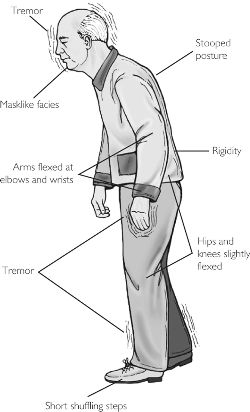
Parkinson’s Signs and Symptoms


There are various Parkinson’s signs and symptoms, some people suffer from all the symptoms others suffer only a few symptoms.


Most people with Parkinson's do not develop all of the symptoms associated with the disease.
Parkinson’s disease might progress quickly and for others it’s a more gradual process over years. Some Parkinson’s sufferers become slowly more disabled and others function fairly well.

Parkinson’s symptoms vary from day to day or even moment to moment. This could be because of the disease process or to the anti-parkinson medication.


Parkinson’s Primary Symptoms:
Bradykinesia: A slowness in controlled movement. It produces difficulty start a movement, or a difficulty finishing movement once it is in progress. It’s because there is a delay in transmitting a signal from the brain to the muscles – this is due to low dopamine in the brain, this produces bradykinesia.


Tremors: Tremors occur in the hands, fingers, forearm, or foot tend usually when the limb is at rest. Usually there are no tremors when performing a task. Tremors can also occur in the mouth and chin as well.


Rigidity: Rigidity produces stiff muscles, which in turn can produce muscle pain in the sufferer. Also rigidity can give the Parkinson’s sufferer an expressionless face as if they are wearing a mask. Rigidity tends to become worse during movement.


Poor balance: Parkinson’s sufferers often suffer from poor balance this is because of loss of the reflexes that usually adjust the posture in order to maintain balance. Poor balance can lead to falls which is common in people with Parkinson's.


Parkinsonian gait: Is a very distinctive walk which is connected to Parkinson's disease. A Parkinson’s gait will make the sufferer lean forward or backward in a very unnaturally way. The person will also develop a stooped, head-down, shoulders-drooped stance. Also instead of the normal stride a Parkinson’s sufferer will take small shuffling steps (called festination). Often people who suffer from Parkinson’s may also have trouble starting to walk – it’s as if they are glued to the spot. They can also freeze in mid-stride, and have difficulty making a left or right turn.


Parkinson’s Secondary Symptoms
Parkinson’s is a progressive disease and in the secondary stages will affect the loss of voluntary and involuntary muscle control. Though not all patients experience all of these symptoms and they can vary from person to person.


Here are some secondary symptoms:
Anxiety, isolation and depression – Parkinson’s sufferers can feel extreme anxiety for instance: if things are not put in the right place or if people visit. They often also feel very isolated which can cause depression.


Difficulty swallowing (dysphagia)– saliva and food can collect in the mouth and may cause choking, coughing, or drooling.


Excessive salivation (hypersalivation)


Excessive sweating – sufferers can suffer from excessive sweating. Make sure they wear layered clothing that are easy to take on and off.


Loss of bladder and/or bowel control – Some of Parkinson’s sufferers become incontinent over time. They can also suffer from constipation.


Loss of intellectual capacity (dementia)– This is a late symptom in Parkinson’s disease – often childhood memories are the strongest while things that happened in the last few years are forgotten.


Scaling, dry skin on the face and scalp (seborrhea)


Slow response to questions – Ask questions in a very simple form – it is already often that a question such as “would you like jam or marmite?” can confuse a Parkinson’s sufferer. It is better to ask “would you like jam?” and go from there.


Small, cramped handwriting (micrographia)


Soft, whispery voice – The voice of a Parkinson’s sufferer can become so soft that you can hardly hear them. It’s very important to always take the time to sit and listen to the patient.


By Beth Maxwell

Dementia and How it is Diagnosed

Many of us may from time to time, forget our neighbor’s name or the items to purchase at the grocery store, and we wonder if this is part of normal aging. Your doctor is the best person to speak with regarding these concerns. There are many conditions that are treatable that may be contributing to periodic memory lapses.

Often when we think of dementia we think of Alzheimer’s disease. While Alzheimer’s disease is considered to be the underlying cause of between 60 and 80% of all dementia cases, there are also other conditions that might cause dementia. It is important to know about the other types and causes of dementia because treatment can vary between diseases and early detection can be beneficial in slowing the progression of incurable dementia's.

According to Dr. Harvey Gilbert, MD of the Gilbert Guide, some of the most common types of dementia and their causes are:

1. Vascular Dementia
This type of dementia is the second most common. It is caused by poor blood flow to the brain, depriving brain cells of the nutrients and oxygen they need to function normally. Vascular dementia can be caused by any number of conditions which narrow the blood vessels, including stroke, diabetes and hypertension.

2. Mixed Dementia
Sometimes dementia is caused by more than one medical condition. Most commonly, mixed dementia is caused by both Alzheimer's and vascular disease.

3. Dementia with Lewy Bodies (DLB)
Sometimes called Lewy Body Disease, this type of dementia is characterized by abnormal protein deposits called Lewy bodies that develop in nerve cells in the brain stem. This disrupts the brain’s ability to function normally and impairs cognition and behavior. It can also cause tremors and is often linked with Parkinson’s Disease and dementia. It is not reversible and there is no known cure.

4. Parkinson’s Disease Dementia (PDD)
Parkinson's disease is a chronic, progressive neurological condition, and in its later stages can affect cognitive functioning. Not all people with Parkinson’s disease will develop dementia, however. This type of dementia is also a lewy body dementia. Symptoms include tremors, muscle stiffness and speech problems. Reasoning, memory, speech, and judgment are also usually affected.

5. Frontotemporal Dementia
Pick's disease is the most common and recognized form of frontotemporal dementia. It is a rare disorder which causes damage to brain cells in the frontal and temporal lobes. This affects the individual’s personality significantly, usually resulting in a decline in social skills, along with emotional apathy. Unlike other dementia's, Pick’s disease usually results in behavior and personality changes occurring before memory loss and speech problems.

6. Creutzfeldt-Jacob Dementia (CJD)
A degenerative neurological disorder, CJD is also known as “mad cow disease”. The incidence is very low, occurring in only about one in one million people. There is no cure. Caused by viruses, CJD progresses rapidly, usually over a period of several months. Symptoms include memory loss, speech impairment, confusion, muscle stiffness and twitching, and a general lack of coordination, which makes the individual susceptible to falls. Sometimes blurred vision and hallucinations also occur with this form of dementia.

7. Normal Pressure Hydrocephalus (NPH)
Normal pressure hydrocephalus involves an accumulation of cerebrospinal fluid in the brain's cavities. When this fluid does not drain as it should, the associated build-up results in added pressure on the brain, interfering with the brain’s ability to function normally. Individuals with dementia caused by normal pressure hydrocephalus often experience problems with ambulation, balance and bladder control, as well as cognitive impairments involving speech, problem-solving abilities and memory.

8. Huntington’s Disease
Huntington's disease is an inherited progressive dementia that affects the individual’s cognition, behavior and movement. Symptoms include memory problems, impaired judgment, mood swings, depression and speech problems (especially slurred speech). Delusions and hallucinations may also occur. Individuals with Huntington’s disease may also experience difficulty walking, and uncontrollable jerking movements of the face and body

9. Wernicke-Korsakoff SyndromeWernicke-Korsakoff syndrome is caused by a vitamin B1 (Thiamine)deficiency and often occurs in alcoholics, although it can also result from malnutrition, cancers, abnormally high thyroid hormone levels, long-term dialysis and long-term diuretic therapy (used to treat congestive heart failure). The symptoms include confusion, permanent gaps in memory, and impaired short-term memory. Hallucinations may also occur. If treated early by supplement, this dementia can be reversed.

10. Mild Cognitive Impairment (MCI)
Dementia can be due to illness, medications and a host of other treatable causes. With mild cognitive impairment, an individual will experience memory loss, and sometimes impaired judgment and speech, but they are usually aware of this decline. These problems usually don’t interfere with the normal activities of daily living. Individuals with mild cognitive impairment may also experience behavioral changes that involve depression, anxiety, aggression and emotional apathy. This is often due to the awareness of and frustration related to his or her condition.

With an understanding of the types of dementia, questions begin to arise about how these diseases are diagnosed. What can a patient expect when trying to determine whether he or she has some form of dementia? What can a caregiver expect?

When you initially meet with your doctor, it is important to be honest with them about the symptoms the patient is experiencing, their duration, frequency and rate of progression. The doctor will then review your current health status, family history and medication history. This includes evaluating the patient for depression, substance abuse and nutrition, and other conditions that can cause memory loss, including anemia, vitamin deficiency, diabetes, kidney or liver disease, thyroid disease, infections, cardiovascular and pulmonary problems. The patient also undergoes a physical exam and blood tests. Diagnosing specific diseases causing dementia can be difficult and it may be necessary to ask for a referral to a doctor with expertise in this area. Additional tests that may be used in conjunction with the aforementioned approaches include the Mini Mental State Evaluation (MMSE), the Mini Cog Screen, and Medical Imaging (CT, MRI and PET scans).

The MMSE is an evaluation of the patient’s cognitive status. The patient is required to identify the time, date and place where the test is taking place, be able to count backwards, identify objects previously known to him or her, be able to repeat common phrases, perform basic skills involving math, language use and comprehension, and demonstrate basic motor skills.
The Mini Cog Screen takes only a few minutes to administer, and is used as an initial screening for dementia. The patient is required to identifying three objects in the office, then draw the face of a clock in its entirety from memory, and finally, recall the three items identified earlier.
Finally, medical imaging helps doctors see images of the patient’s brain to determine whether there are any growths, abnormalities or general shrinkage which occurs in Alzheimer’s disease. These medical imaging tests can help improve the accuracy of a dementia diagnosis to 90%.

Once a diagnosis has been made, doctors can help patients to look at various treatment options and can often provide information for caregivers and families about support groups and organizations that can provide them with information about their specific diagnosis. It is recommended that patients and their families try to learn as much as they can about the disease and how it is expected to progress. Organizations like Alzheimer’s Association or the Parkinson's Society can provide valuable information about the disease, its progression and tips on how to slow the progression of the disease and deal with symptoms. These organizations also provide support groups to both the patient and their caregivers to help deal with the blow of a dementia diagnosis. As mentioned earlier, early detection is often key in being able to reverse or slow the progression of many of these diseases. Having a basic understanding of the many dementia's that may occur and how they are diagnosed will be beneficial to physicians and families alike.

If you find that you simply do not know where to begin or how to handle this change in status and what it means for your future, a Geriatric Care Manager can assist you in making plans for the future.

For information on Care Managers in your area go to http://www.caremanager.org/ or for a care manager in Maricopa County click here.

By ElderCaring.ca